
Your Business Shouldn’t Run on Personal Cell Phones A customer calls your project manager directly. Another leaves a message on the owner’s cell phone. Your office has no record of either conversatio...
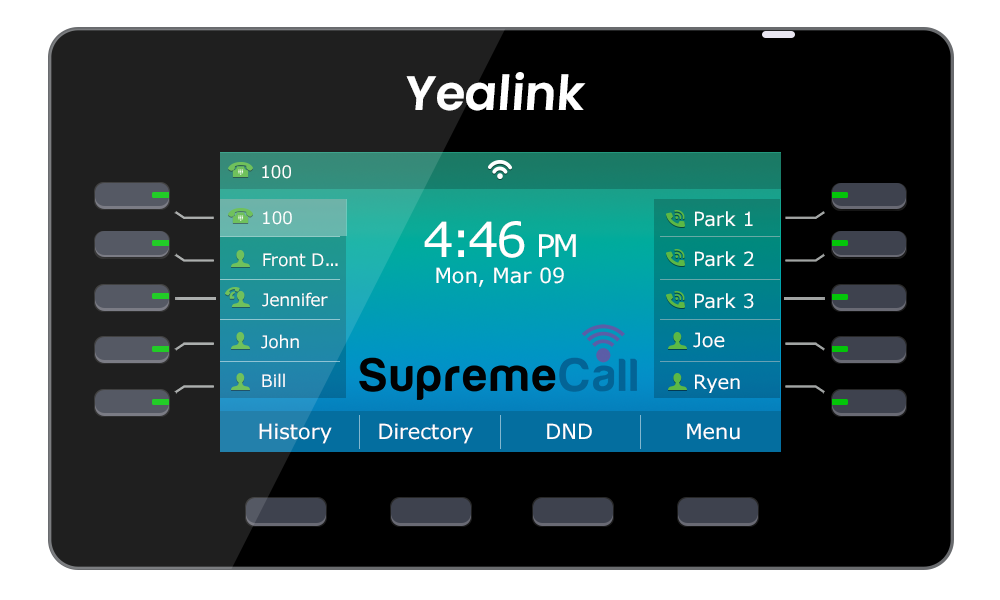
Customize Your Business Phones for Faster, Easier Communication A business phone should do more than simply make and receive calls. When properly configured, it can help employees communicate faster, tra...

I based this on the podcast file you attached and turned it into a publish-ready blog article. The Phone System Is Not Dead, It Just Moved to the Cloud For many small and medium businesses, the phone ...

? What You'll Learn Why 2026 Is the Year Every Business Needs VoIP How VoIP Actually Works (Plain English) The Real Cost Savings With Numbers 10 Features Your VoIP System Must Have ...
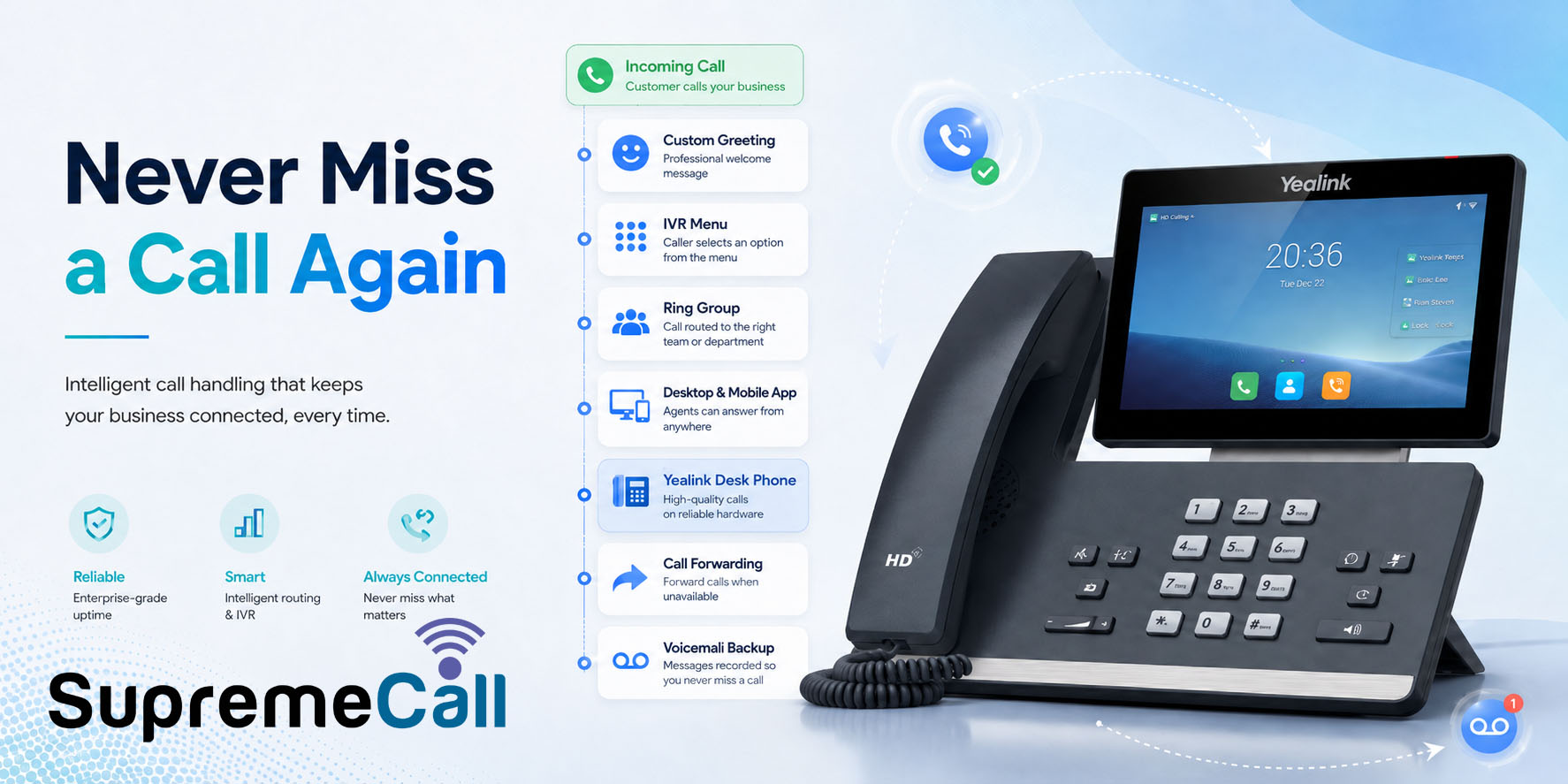
Why Your Business Is Missing Calls (And How a Cloud Phone System Fixes It) Every missed call is a missed customer. Not a maybe. Not a probably. In most cases, when someone calls a business and does not get thr...

Easy Steps to Set Up and Install VoIP Phone Service Key Takeaways: Voice over Internet Protocol allows businesses to replace traditional landlines with internet based calling. This guide explains what you need...

Boosting Business Performance with the Right Phone System Clear and dependable communication is essential for any growing company. The way your business answers, routes, and manages cal...

VoIP for Remote Teams in Los Angeles and Why Local Support Still Matters Remote work has become the new normal in Los Angeles. From small startups in Hollywood to large companies in the San Ferna...

Why VoIP Is Poised to Transform Business Communication in 2026 Voice over Internet Protocol (VoIP) is rapidly evolving and by 2026 it will become an even more essential tool for businesses th...

Selecting a Small Business Phone System A Practical Guide for Growing Companies Every small business needs a phone system that helps you stay connected with customers team members and part...

A Sound That Defined an Era If you grew up before smartphones and cloud calling, you probably remember that sharp, rhythmic tone that meant your call wasn’t going through. The busy signal was once a part o...

Why Local Businesses in Los Angeles Should Choose a Local VoIP Provider In today’s competitive Los Angeles market, choosing the right phone system matters as much as choosing the right location. ...